خواهم که...
تقدیم به نامدار دیللی قولاخلی...

بکگراندش یه نقاشی از جاده قدیمی روستای "کسیان" و "کوه کمر"ه که اثر (م . ا ) هستش.کمال تشکر را از ایشون دارم
+ نوشته شده در ۱۳۹۲/۱۰/۲۸ ساعت 16:3 توسط مسعود علیزاده سالطه
|
تقدیم به نامدار دیللی قولاخلی...
بکگراندش یه نقاشی از جاده قدیمی روستای "کسیان" و "کوه کمر"ه که اثر (م . ا ) هستش.کمال تشکر را از ایشون دارم

آتش سوزی در یکی دیگر از مرغداریهای چایپاره
یش از 13 هزار قطعه مرغ در حادثه آتش سوزی در یک واحد مرغداری در شهرستان چایپاره تلف شدند .
رئیس آتش نشانی چایپاره امروز گفت: این حادثه ساعت 13 امروز در یک واحد مرغداری در نزدیکی روستای میرزا حسام چایپاره روی داد .
آقای
معصومی گفت: عوامل آتش نشانی درمدت 10 دقیقه خود را به محل حادثه رساندند و
با آب و پودرهای ضد حریق آتش را مهار کردند اما به علت وسعت آتش سوزی طی
20 دقیقه همه سالن که مملو از مرغ بود در آتش سوخت .وی اضافه کرد : اتصال در سیم کشی از محل سقف این سالن عامل آتش سوزی است.رئیس آتش نشانی شهرستان چایپاره میزان خسارت وارد شده را به صاحبان مرغداری در این حادثه بیش از 2 میلیارد ریال اعلام کرد .
این دومین حادثه آتش سوزی در مرغداری های شهرستان چایپاره در یک هفته اخیر است .
در حادثه قبلی نیز بیش از 3 هزار مرغ براثر آتش سوزی از بین رفت .

افزوده شدن 6 دهیاری جدید به تعداد دهیاریهای شهرستان چایپاره
جلیل غفاری امروز در گفتوگو با خبرنگار فارس در ارومیه اظهار داشت: شش دهیاری جدید به تعداد دهیاریهای شهرستان چایپاره افزوده خواهد شد.
وی افزود: هم اکنون در دو بخش مرکزی و حاجیلار این شهرستان در 25 روستای بالای 50 خانوار دهیاری مستقر هست که با انتخاب شش دهیار جدید در روستاهای شوریک، قره کهریز و چیر کندی بخش مرکزی و همچنین روستاهای اسماعیل کهریز، پیر یادگار و طاهر آباد بخش حاجیلار تعداد دهیاران این شهرستان به 31 دهیاری افزایش خواهد یافت.
گفتنی است شهرستان چایپاره دارای 44 هزار نفر جمعیت و 76 روستا است که بیش از 24 هزار نفر از آنان در شهر قرهضیاالدین مرکز شهرستان و 20 هزار نفر نیز در روستاها زندگی میکنند و کشاورزی، دامداری و تجارت شغل اصلی مردم این شهرستان است.
Qaraziaaddin 2003

Qaraziaaddin 2013


تمام تلاشم این بود
که تو را به اوج برسانم
غافل از اینکه شاید دست خودم هم به تو نرسد

این چشمه سالیان درازی جاری است و تاثیر خشکسالی ها (که بیشتر چشمه های چورس و دیگر روستاها را خشک نمود) بر شیخ بولاغی تنها پایین آمدن مقداری از آبدهی آن بود و گمان می رود که چشمه ای کارستیک (در زمین های آهکی)باشد، در چشمه های کارستی آب در اثر ترکیب با co2 هوا اسیدی شده و موجب انحلال بافت آهکی سنگ ها شده، و و از طریق درزها ی به وجود آمده آب نفوذ می کند در ادامه نیز مجاری گشادتری در اعماق زمین از به هم پیوستن حفره ها ایجاد می شود هم چنین (حفره ها ی طبیعی سطح زمین) مناطق تغذیه ی نقطه ای محسوب می شوند، به علت مسیر مستقیم و کوتاه آب نفوذی (مثل چشمه های آبرفتی به صورت طبیعی از صافی شنی نمی گذرند) جهت مصارف شرب لازم است از فعالیت های آلوده کننده در منطقه ی تغذیه کننده ی چشمه جلوگیری بعمل آید. در مقایسه با آب چاه های عمیق که در مسیر طولانی نفوذ خود به اعماق زمین مواد معدنی زیادی را در خود حل می کنند و میزان ناخالصی این آب ها بالا می باشد ولی آب چشمه ها جوان بوده و ناخالصی خیلی کمی دارند و هرچه میزان ناخالصی های آب کمتر باشد از نظر کیفیت شیمیایی آب سالمتری به شمار می رود.درخت های گردوی مسیر سرچشمه ی شیخ بولاغی در روزهای گرم تابستان سایه ی دلنشینی را برای استراحت و استفاده کنندگان از آب چشمه ایجاد کرده اند که میهمانان چورس حتما در این محل اوتراقی داشته اند.
با تشکر فراوان از آقای حسین شهابی پور


رودخانه آغ چاي يكي از رودخانه هاي اصلي حوضه آبريز ارس مي باشد . آبدهي( دبي ) متوسط سالانه آن حدود 207 ميليون متر مكعب است. اين رودخانه در جهت غرب به شرق از كوههاي مرزي ایران وترکیه درچالدران و داخل كشور سرچشمه گرفته ودر مسير خود چند شاخه فرعي را دريافت كرده وپس از طی مسیرخود در حوزه استحفاظی شهرستانهای چالدران وخوی به شهرستان چایپاره مي رسد.اين رودخانه ازدشت چایپاره عبوركرده وبه موازات جاده بين المللي خوي- ماكو ادامه مسير داده و در نزديكي روستاي حسين خان از زير پل اين جاده رد شده و به سمت شمال تغيير جهت داده وبعد از روستای مارکان با رودخانه قطور يكي شده و درمسیر دره ای خود پس از طی روستای قدیمی پاشاکندی وگذر از دره شام به رودخانه ارس مي ريزد. طول آن 112/5 كيلو متر،سطح حوزه آبخیز آن 1863 كيلو مترمربع و حجم رواناب ساليانه 207 ميليون مترمكعب و بیش از 70 آبادي بطورمستقيم يا غيرمستقيم از آن استفاده مي كنندو چنین تصور میشود که شکل گیری بسیاری از این روستاها دراثر وجود جریان این رودخانه بوده است . از خصوصیت ديگر اين رودخانه زاينده بودن آن است بطوريكه در طول مسيراین رودخانه از نزدیکی روستای حاجیلار تا نزديكي مارکان در تابستان (فصل كم آبي ) هم ، جريان آب در رود خانه جاري است در حاليكه ممكن است در همان زمان در بالادست آب كمتري وجود داشته باشد ویا رودخانه خشک شود و اين مسئله بيا نگر وجود سفره هاي كم عمقي در مسير اين رودخانه در پايين دست است كه به داخل رودخانه تخليه مي شود و اين پديده در زندگي اهالي روستاهاي زنگلان علیا وسفلی ،حاج احمدکندی وحاجيلار تا مارکان نقش بسيار مثبتي دارد .( در دو طرف اين رودخانه اراضي حاصلخيزي وجود دارد كه برنج و ديگراقلام كشت مي شود).
BESṬĀM
(or Basṭām), Elamite Rusa-i Uru.Tur, the name of a village at the foot of the ruins of an ancient Urartian hill fortress in the province of West Azerbaijan (85 km southeast of Mākū and 54 km northwest of Ḵᵛoy; altitude ca. 1,300 m above sea level).
BESṬĀM (or Basṭām), Elamite Rusa-i Uru.Tur, the name of a village at the foot of the ruins of an ancient Urartian hill fortress in the province of West Azerbaijan (39° N, 45° E), 85 km southeast of Mākū and 54 km northwest of Ḵᵛoy; altitude ca. 1,300 m above sea level.
The hill fortress obstructs passage between the narrow valley of the Āqčāy and the plain of Qara Żīāʾ-al-Dīn through which the river flows in its lower course. The plain has been intensively cultivated by means of irrigation canals ever since the Urartian period. A road from Tuspa (Van), the Urartian capital, led to Rusa-i Uru.Tur and thence to the eastern parts of the Urartian realm.
Evidence of human occupation of the Besṭām area from the 3rd millennium onward has been obtained from a mound at the foot of the hill within the precinct of the present village. The Urartians first used the site as a staging post on the road. Probably in the 9th-8th century b.c., they built a castle measuring 165 x 35 m on the ground later occupied by the south gate of the citadel. This castle was largely demolished when the citadel was built in the 7th century b.c.
Rusa-i Uru.Tur (Rusaδs town) was founded by Rusa II (685-45 b.c.), probably soon after his accession. An inscribed stone, found at Mākū in 1910 by Count Kanitz and now (since 1965) in the Īrān-e Bāstān Museum at Tehran, gives a number of Urartian place names and royal names and mentions the foundation of a temple of the god Haldi. Toward the end of Rusa II’s reign Rusa-i Uru.Tur was plundered and destroyed by fire. The site was partly reoccupied and built over in the Median-Achaemenian period, in the Parthian-Sasanian period, and again in the 3rd-7th/9th-13th centuries when an Armenian fortress and village were superimposed; after the Mongol invasion it was abandoned permanently.
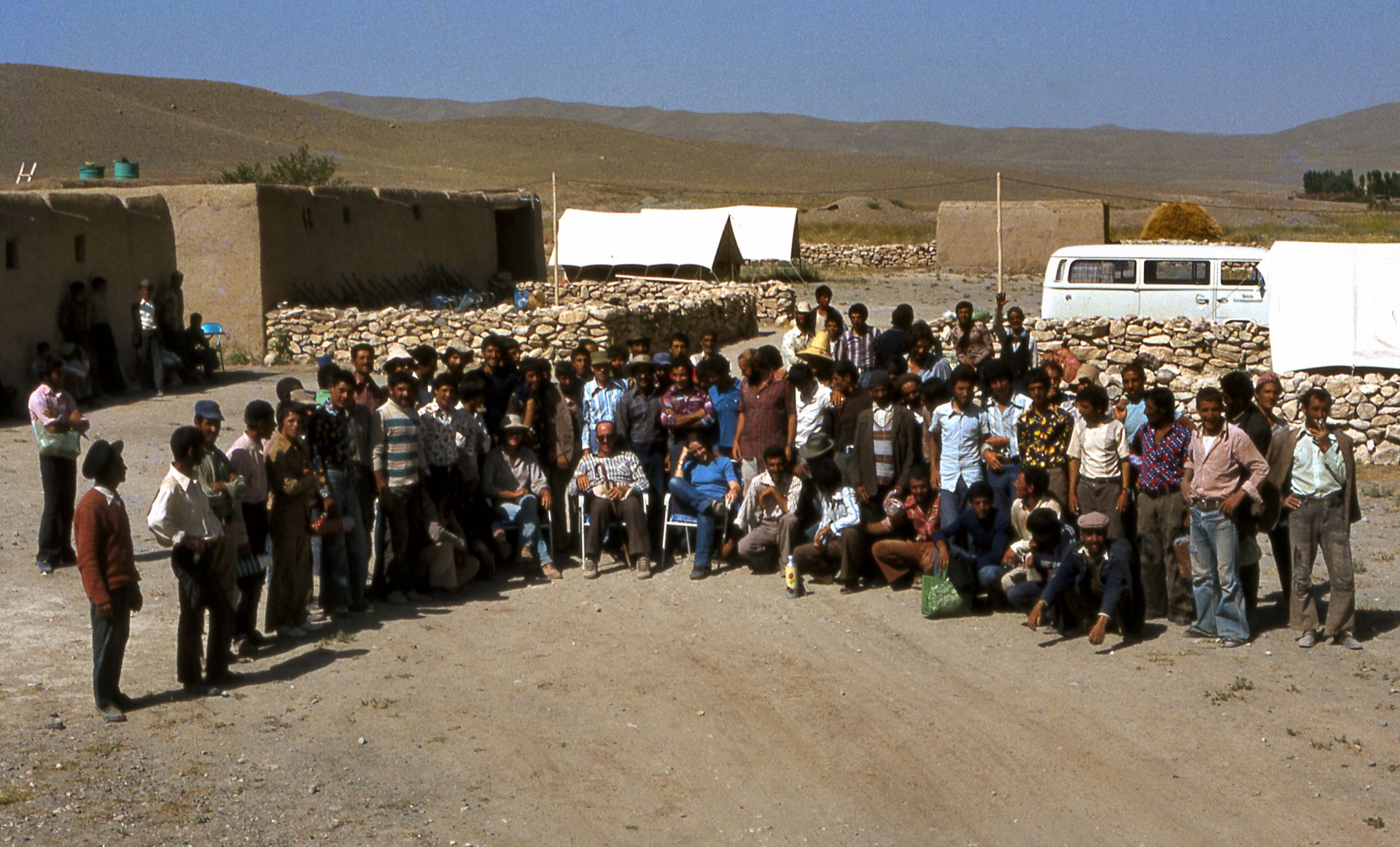
German archeologists reconnoitered the site in 1967. Excavation began in 1968 and was continued annually (except in 1971 and 1976) until events in Iran brought the work to a halt in 1979.
The remains fall into three groups:
1. The eastern complex, Urartian from the 7th century b.c., built on a rectangular plan with external dimensions of 162 x 130 m, stands alone in the valley opposite the fortress at a distance of ca. 365 m. The outer walls are in sections divided by buttresses. The gate is on the east side, flanked by guardrooms and leading to a long, three-aisled stable building. The functions of the complex were all connected with horses.
2. The settlement at the north foot of the hill fortress, 600 m long and 300 m wide, built in the 7th century to accommodate officials and merchants who served the fortress garrison. The houses had several rooms each and were rectangular, facing west. Around the settlement stood some isolated buildings of larger size, namely, the north building, the east building, and the hall-like building near the north gate of the citadel. The settlement was abandoned when the fortress fell.
3. The fortress, 800 m long and ca. 400 m wide overall, built in the 7th century b.c. in three phases, as follows:
(i) The nucleus, designed for defense and other functions and made up of: A. The lower citadel, 380 x 110 m, containing the south gate, some stables, quarters for troops, a house (for their commander ?), kitchens, etc., for the garrison; intended to block the narrow Āqčāy valley, it was built on the site of the earlier staging post. B. The mid-level citadel, 200 x 130 m, containing the square, tower-shaped temple of Haldi (foundations 14 x 14 m) with terraces preceding it, reception halls, extensive storerooms in which numerous large storage jars (pithoi), some 2.06 m high and 1.30 m wide, were found, and a meat locker (15 x 4.50 m), subsequently burned down, in which were found some 600,000 bones of animals and 1,240 clay seals evidently used to keep account of meat stocks, some with incised stamps, others with marks applicable by rolling. C. The upper citadel, 90 x 50-75 m, containing the governor’s residence, which at times was probably also a royal residence, the town having been a dependency of Urartu and a last refuge for its kings in times of danger.
(ii) The northern outworks, together with the north terrace and the north gate, added at a later time to augment the defensive strength of the citadel and improve the northern access from the settlement.
(iii) After this first enlargement, further extensions were built. The outer north gate was added to the northern outworks, the slope down to the settlement was built over, and the eastern outworks were constructed as an additional defense line. The western slope was also built over. The south gate was strengthened by the addition of a tower.
Noteworthy finds of small objects are two clay tablets inscribed with royal instructions to officials, fragments of other clay tablets, part of a gold sheet in the form of a ring with a border of leaves (probably a furniture attachment), many bullae with impressions, four cylinder seals, a clay drinking vessel coated with red slip and shaped like the head of a gazelle, fragments of stone reliefs with a crenellated design, and a large assortment of Urartian pottery including specimens of the fine Urartian red ware as well as objects of everyday use.
Bibliography:
The principal reports on Besṭām are “Vorlagen der Grabungsergebnisse,” Istanbuler Mitteilungen 18, 1968, pp. 23-31, and AMI, N.S. 3, 1970; 5, 1972; 6, 1973; 7, 1975.
W. Kleiss, Bastam/Rusa-i Uru.Tur. Beschreibung der urartäischen und mittelalterlichen Ruinen, Berlin, 1977.
S. Kroll, “Keramik urartäischer Festungen in Iran,” AMI, Ergänzungsband 2, 1976.
W. Kleiss et al., Bastam I. Ausgrabungen in den urartäischen Anlagen 1972-75, Berlin, 1979.
Idem, Bastam II. Ausgrabungen in den urartäischen Anlagen 1977-1978, forthcoming.
On the Mākū inscription see F. W. König, Handbuch der chaldischen Inschriften, Archiv für Orientforschung, Beiheft 8, 1955, no. 129.


Pana_chaypara@yahoo.com
 1-این وبلاگ کاملا شخصیه